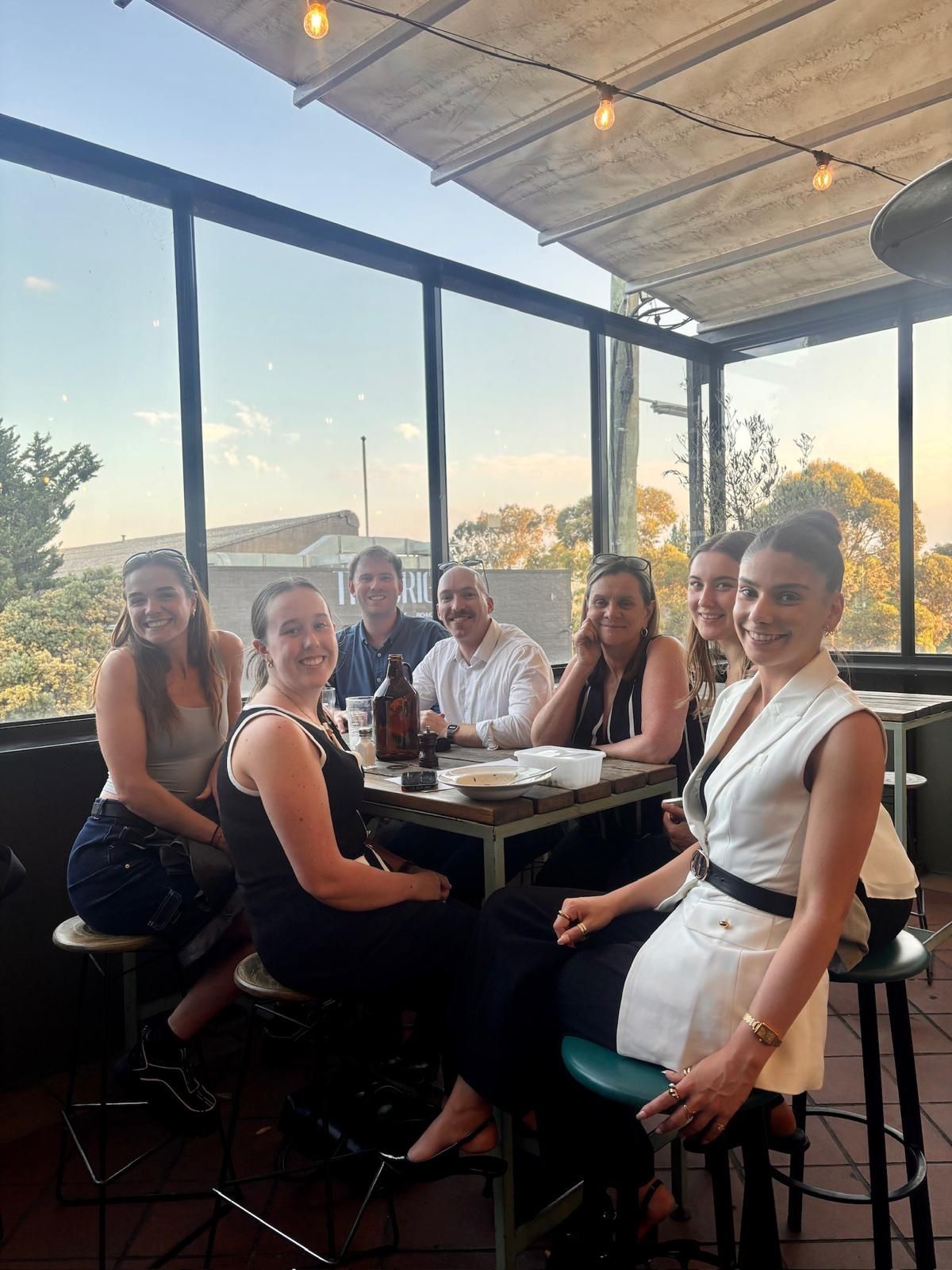
Generation Game
Neo and Eastern Press
Creating space for intergenerational collaboration in a changing print industry in Australia
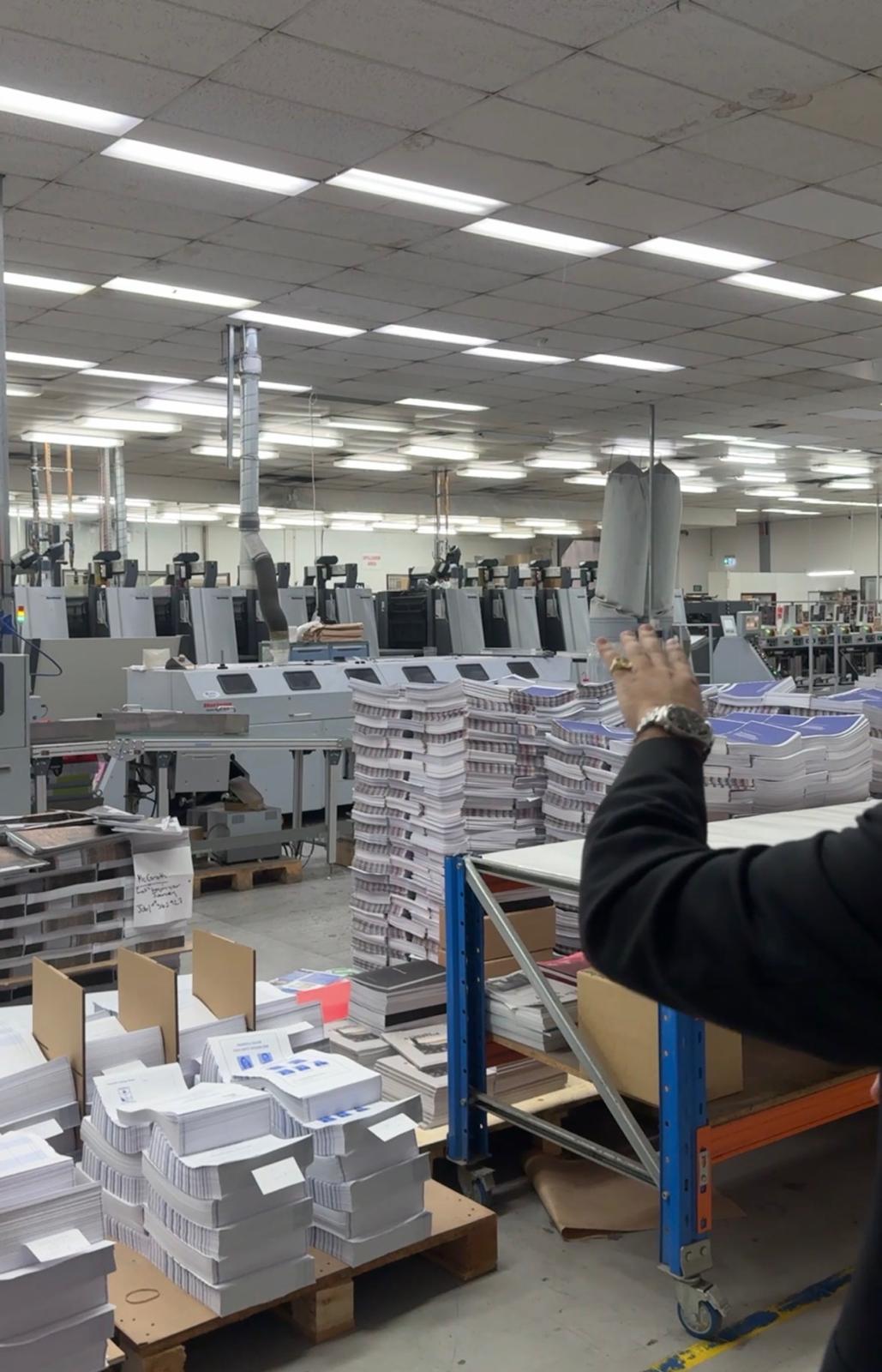
Printing is a fast-paced printing environment. Deadlines are tight, quality standards are high and things do not always go according to plan. While Neo already has a strong collaborative culture, moments of pressure can quickly increase tension. The organisation recognised the opportunity to strengthen understanding across generations and support managers in growing from task-driven leaders into coaches who bring out the best in their teams.
The challenge
Neo and Eastern Press bring together multiple generations working closely across teams. When pressure rises, differences in communication styles, expectations and behaviour become more visible. While collaboration is strong, there was a need to better understand why people respond the way they do. The challenge was to create space for this understanding in a way that felt constructive and engaging.
The solution
The Generation Game offered a natural and accessible way to start this conversation. The decision to use the game was inspired by seeing it in action at an international industry conference in Mumbai, where it sparked lively, humorous and insightful discussions between experienced leaders. That combination of depth and lightness felt like a strong fit.
The game naturally brings out a lot of humour. At our organisation, we do like to have a laugh, so I wanted something that could deliver on that too — Clinton Daley, CEO
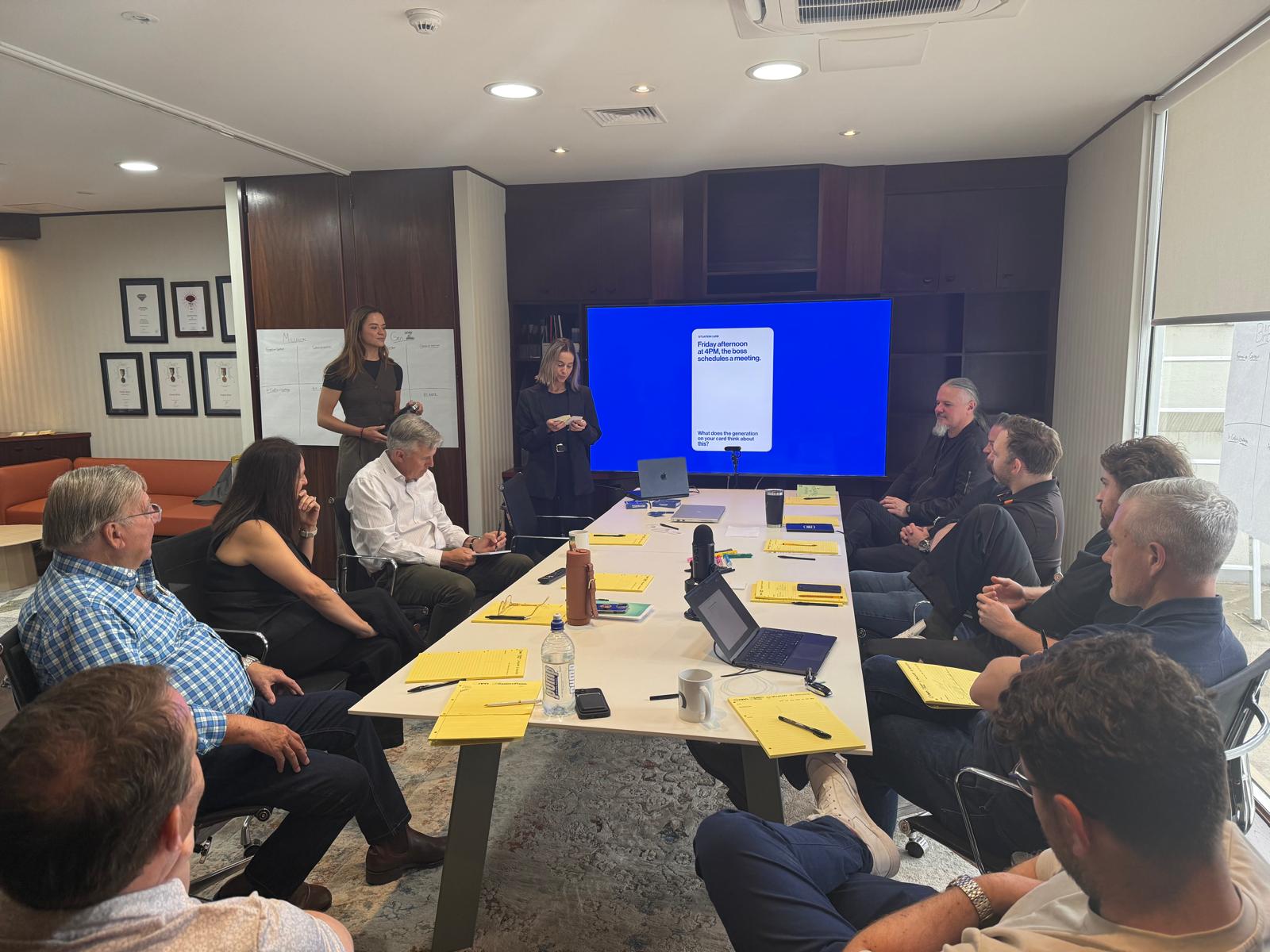
The approach started with a leadership session, followed by four team workshops across the organisation. The process concluded with a debrief with leaders, creating space to reflect on the insights from the sessions and translate them into next steps.
The impact
The sessions encouraged interaction between colleagues who would not normally work together, helping people connect on a more personal level. At an organisational level, this strengthened the sense of connection across teams. During the workshops, deeper understanding emerged around how generational differences influence personalities and ways of working. The conversations increased awareness of generational differences and the biases that shape communication. Commitments made at the end of the workshop provide a shared reference point moving forward, marking the start of an ongoing process in which everyday communication becomes an opportunity to turn potential friction into a collective strength.